Current Landscape
- Election timeline: The 17th Sabah State Election must be held on or before 7 December 2025, with all 73 state seats up for contest Wikipedia.
- Leadership changes: Chief Minister Hajiji Noor, leader of Gabungan Rakyat Sabah (GRS) and Parti Gagasan Rakyat Sabah (GAGASAN), has confirmed that this will be his final election after a 35-year political career Borneo Post Online.
- Fragmented contest: Warisan intends to run independently, rejecting coalition politics Free Malaysia Today. A new local party, Gemilang Anak Sabah (GAS), has entered the race, aiming to contest 55 seats, self-funded and focused on anti-corruption, infrastructure, education, and resource rights Daily Express.
- Persistent volatility: Sabah’s political culture remains fluid, with frequent party-switching and coalition shifts. The 2023 Anti-Switching Parties Law has curbed some of this instability—but uncertainties persist Wikipedia.
- Autonomy at stake: The election is a pivotal battleground for the “Sabah for Sabahans” ideology—pushing for autonomy, resource control, and implementation of the Malaysia Agreement of 1963. The outcome could either strengthen Sabah’s position or reinforce federal dominance Jesselton Times.
Why This Matters: Corruption, Promises, and Vulnerable Voters
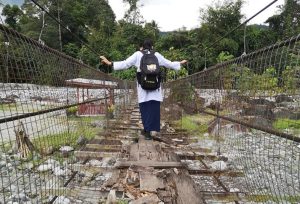
The current state has been marred by corruption, greed for power, and broken systems serving narrow interests. Meanwhile, rural communities face a grave challenge: vote-buying and manipulation through empty promises remain disturbingly common, placing the integrity of Sabah’s democracy at risk.
What Sabahans Can Do: A Call to Action
1. Educate and Empower Locally
Form community discussion groups—even small, rural gatherings—to explain how corrupt governance hampers long-term progress in education, roads, and water. Use concrete examples relevant to your area to illustrate these connections.
2. Choose Stability Over Fragmentation
Multi-cornered contests risk splitting votes and letting ineffective governance slip through.
3. Focus on Issues and Track Records
Support parties or candidates that:
- Advocate for Sabah’s self-reliance in resource control.
- Present credible anti-corruption measures.
- Have histories of delivering on education, infrastructure, and public welfare – not just mere ANNOUNCEMENTS.
- Avoid mouth-only promises that vanish after the vote.
4. Mobilize Against Vote Buying
Rural voters should:
- Be made aware that gifts or incentives on polling day are illegal under the Election Offences Act.
- Report attempts of inducement to authorities like the MACC. In past elections, MACC conducted 24/7 operations hubs to facilitate such reports AWANI International.
- Strengthen peer accountability—informal networks can discourage accepting vote-buying offers.
5. Vote Thoughtfully, Not Emotionally
Cast votes based on policy substance rather than identity politics or nostalgia. The stakes are deeper than party loyalty—it’s about Sabah’s future direction, autonomy, and the integrity of our leadership.
Final Thought: The Time for Change Is Now
Sabah stands at a crossroads. This election could either cement a new era of accountability and autonomy—or repeat a cycle of empty promises and corruption. For rural Sabahans especially, shedding vote-buying traps is not just about resisting temptation—but about building a future where leaders work for the people, not for themselves.
Now is the moment to act—with knowledge, with unity, and with resolve.